

How to Experience Traditional Ayurveda in Sri Lanka: Treatments, Retreats and What to Expect
Ayurveda has been part of daily life in Sri Lanka for centuries, shaping how people eat, rest and care for their health. For visitors, it offers far more than a relaxing massage: a genuine Ayurvedic experience combines consultations, herbal treatments, diet and daily routines to restore balance to body and mind. Because the quality and authenticity of programmes vary, it helps to understand what to look for before you book. Here is how to experience traditional Ayurveda in Sri Lanka, from choosing a retreat to knowing what to expect.
Understand What Traditional Ayurveda Involves
Ayurveda is an ancient system of medicine based on the idea that health depends on the balance of three energies, or doshas, known as Vata, Pitta and Kapha. In Sri Lanka, it is often practised alongside local healing traditions passed down through generations. Treatments aim to address the root cause of imbalances rather than simply easing symptoms. Understanding this philosophy helps you approach your stay with the right expectations, as genuine Ayurveda is a gradual process rather than a quick fix.
Choose Between Spa Treatments and a Full Retreat
The question many visitors ask is simple: where can I experience traditional Ayurveda in Sri Lanka? The answer depends on how deeply you want to commit. Hotel collections like Heritance Hotels & Resorts offer both paths, from physician-led programmes at a dedicated adults-only Ayurveda retreat on the southern coast to spa treatments at resorts in the forests and hill country. Short spa sessions suit travellers who want a taste of Ayurveda, while a full retreat offers a more complete experience.
Start With a Doctor's Consultation
An authentic programme always begins with a consultation with a qualified Ayurvedic doctor. They will ask about your health, lifestyle and sleep, check your pulse and assess your dosha balance before recommending a personalised plan of treatments, herbal medicines and meals. Be open and honest about any medical conditions or medications. Follow-up consultations during your stay allow the doctor to adjust the programme as your body responds.
Know the Common Treatments
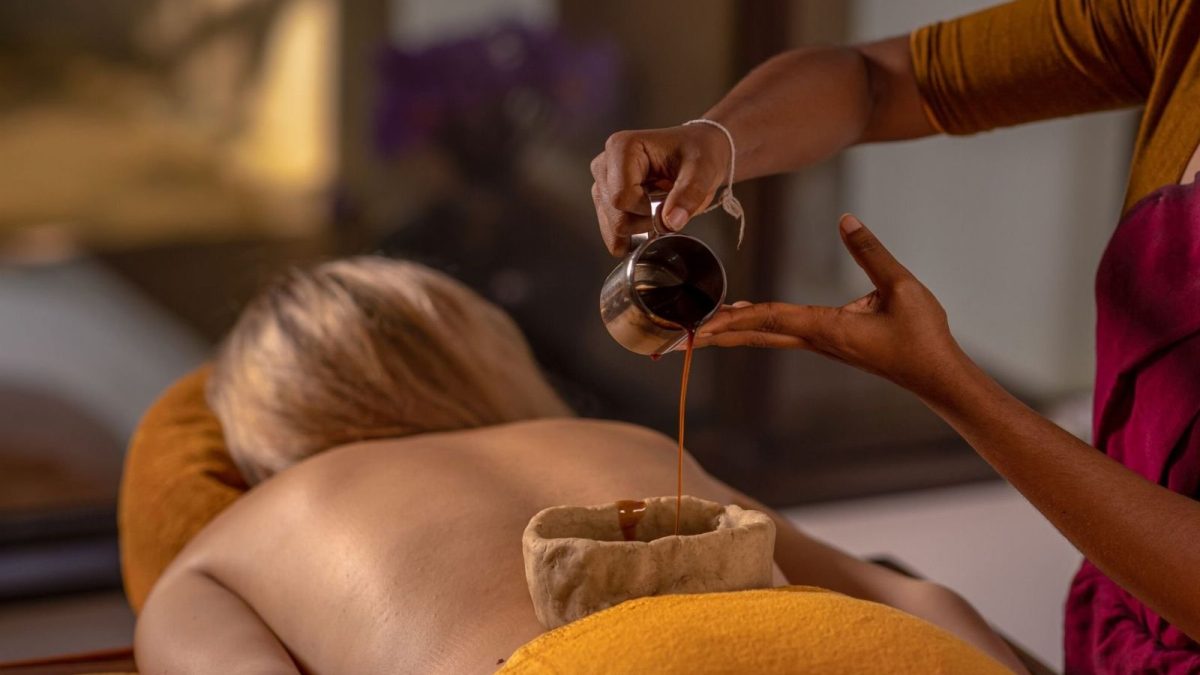
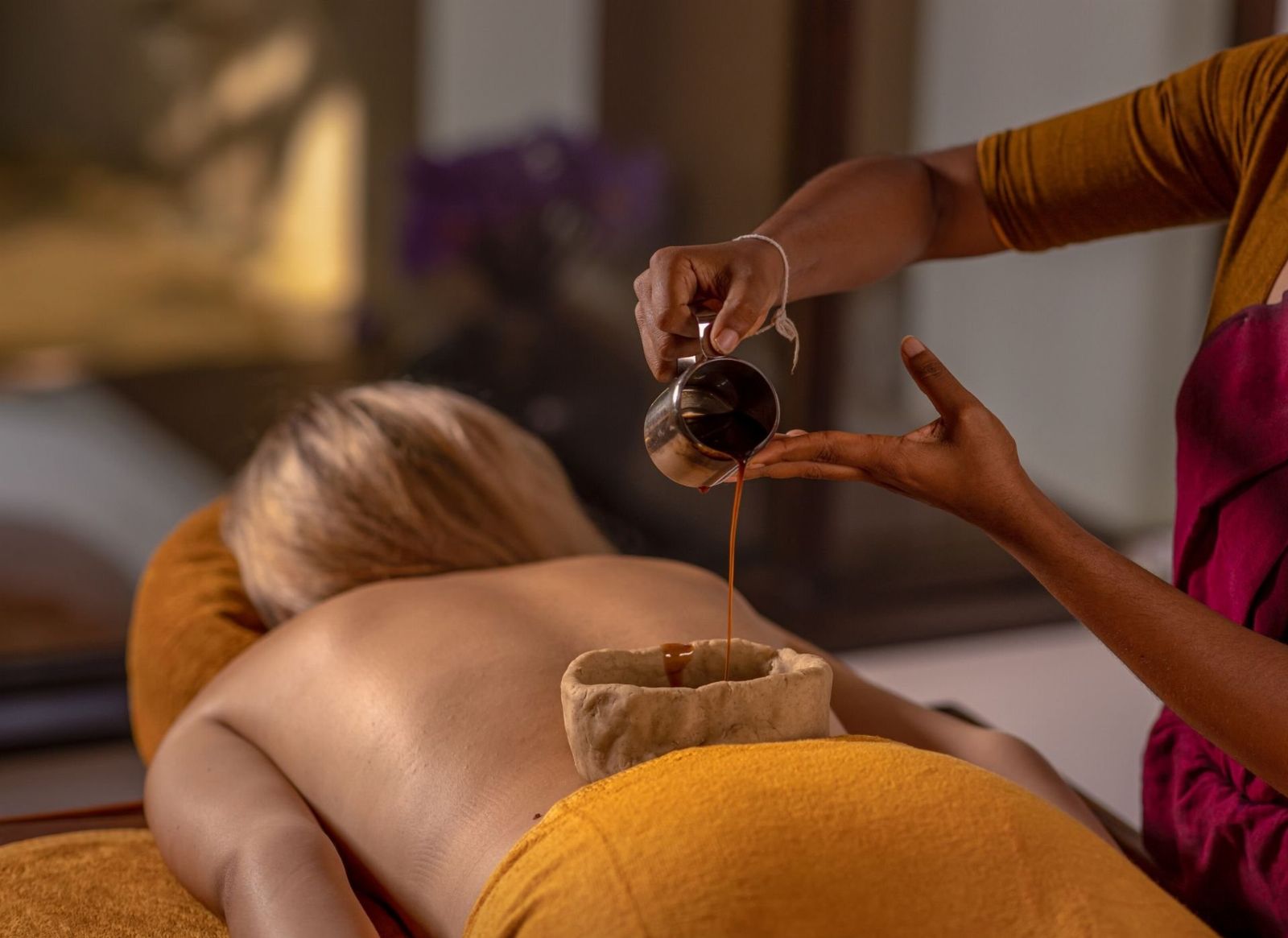
Ayurvedic treatments can feel quite different from typical spa therapies. Abhyanga is a full-body massage with warm herbal oils, while Shirodhara involves a steady stream of warm oil poured over the forehead to calm the mind. Herbal steam baths, poultice massages using bundles of warm herbs, and nasal treatments are also common. Longer programmes may include Panchakarma, a series of detoxifying therapies that require several weeks and close medical supervision.
Prepare for the Diet and Routine
Diet is central to Ayurveda, so expect fresh, mostly vegetarian meals tailored to your dosha, with herbal teas and little or no alcohol, caffeine or processed food. Days often begin early with yoga or meditation and end with quiet evenings and early nights. The more closely you follow the routine, the greater the benefits. For a full programme, most practitioners recommend staying at least seven to fourteen nights.
Know What to Expect Afterwards
It is normal to feel tired or emotional during the first few days of treatment, as the body adjusts to new routines and therapies. Many guests leave feeling lighter, calmer and more energised, with improved sleep and digestion. Before you leave, ask your doctor for advice on continuing the benefits at home, including diet, exercise and herbal remedies. Avoid scheduling demanding activities immediately after a long programme.
Experiencing traditional Ayurveda in Sri Lanka is a chance to slow down and reconnect with your well-being in the place where these healing traditions remain part of everyday life. By understanding the philosophy, choosing between spa treatments and a full retreat, and committing to the routine, you can gain lasting benefits from your stay. With the guidance of experienced doctors and therapists, your Ayurvedic journey can be both restorative and deeply rewarding.